If you like a wide range of vacations, a timeshare might not be for you (unless you don't mind handling the fees and hassles of exchanging). Also, timeshares are normally unavailable (or, if available, time share loan unaffordable) for more than a few weeks at a time, so if you typically vacation for a 2 months in Arizona during the winter, and spend another month in Hawaii during the spring, a timeshare is most likely not the very best alternative. Additionally, if saving or earning money is your top issue, the lack of financial investment capacity and continuous expenditures involved with a timeshare (both gone over in more information above) are certain downsides.
You have actually probably heard about timeshare homes. In reality, you've probably heard something unfavorable about them. However is owning a timeshare truly something to prevent? That's tough to state until you know what one truly is. This post will review the basic concept of owning a timeshare, how your ownership might be structured, and the advantages and downsides of owning one. A timeshare is a way for a variety of individuals to share ownership of a residential or commercial property, typically a getaway property such as a condo system within a resort location. Each purchaser normally purchases a particular duration of time in a specific unit.
If a buyer desires a longer period, purchasing a number of consecutive timeshares might be a choice (if offered). Traditional timeshare homes generally sell a set week (or weeks) in a property. A purchaser chooses the dates he or she wants to spend there, and purchases the right to utilize the home throughout those dates each year. what happens if i just stop paying my timeshare maintenance fees. Some timeshares offer "flexible" or "drifting" weeks. This arrangement is less stiff, and allows a buyer to select a week or weeks without a set date, but within a certain period (or season). The owner is then entitled to reserve his or her week each year at any time during that time duration (subject to schedule).
Given that the high season might stretch from December through March, this provides the owner a bit of trip versatility. What sort of property interest you'll own if you purchase a timeshare depends upon the type of timeshare acquired. Timeshares are typically structured either as shared deeded ownership or shared rented ownership. With shared deeded ownership, each owner is granted a percentage of the real home itself, associating to the amount of time bought. The owner gets a deed for his/her percentage of the system, defining when the owner can utilize the property. This suggests that with deeded ownership, numerous deeds are provided for each home.
If the timeshare is structured as a shared rented ownership, the designer keeps deeded title to the home, and each owner holds a rented interest in the home. who has the best timeshare program. Each lease agreement entitles the owner to use a particular property each year for a set week, or a "floating" week throughout a set of dates. If you buy a leased ownership timeshare, your interest in the residential or commercial property generally ends after a particular regard to years, or at the most recent, upon your death. A leased ownership also typically limits property transfers more than a deeded ownership interest. This suggests as an owner, you may be limited from selling or otherwise moving your timeshare to another.
Getting The How Much Does A Club Wyndham Timeshare Cost To Work
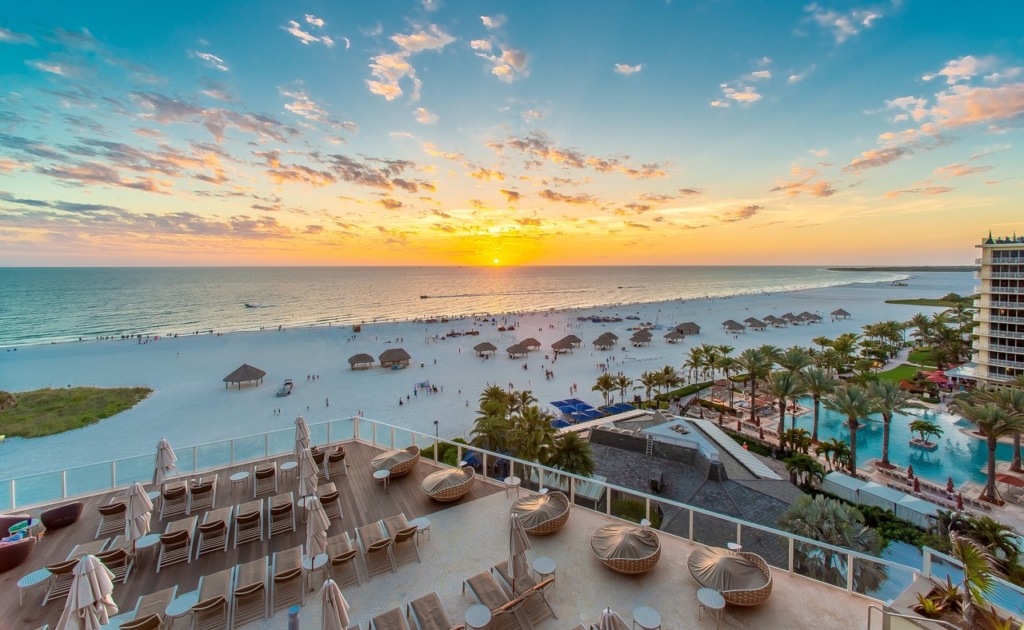
With either a leased or deeded type of timeshare structure, the owner purchases the right to use one specific residential or commercial las vegas time share presentation property. This can be restricting to someone who prefers to getaway in a range of places. To provide higher flexibility, many resort advancements take part in exchange programs. Exchange programs enable timeshare owners to trade time in their own residential or commercial property for time in another getting involved property. For example, the owner of a week in January at a condominium system in a beach resort might trade the residential or commercial property for a week in a condo at a ski resort this year, and for a week in a New york city City lodging the next.
Generally, owners are restricted to choosing another home classified similar to their own. Plus, extra charges are common, and popular homes might be difficult to get. Although owning a timeshare ways you won't need to throw your money at rental accommodations each year, Great site timeshares are by no methods expense-free. Initially, you will require a chunk of money for the purchase price (what percentage of people cancel timeshare after buying?). If you do not have the complete amount upfront, expect to pay high rates for funding the balance. Because timeshares hardly ever maintain their value, they won't receive financing at the majority of banks. If you do discover a bank that accepts fund the timeshare purchase, the rate of interest is sure to be high.
A timeshare owner needs to also pay annual upkeep charges (which normally cover expenditures for the upkeep of the home). And these charges are due whether the owner utilizes the property. Even even worse, these costs commonly escalate continuously; often well beyond a budget friendly level. You might recoup a few of the expenditures by renting your timeshare out during a year you don't use it (if the guidelines governing your specific residential or commercial property allow it). Nevertheless, you might require to pay a part of the lease to the rental agent, or pay extra costs (such as cleaning or reservation charges). Getting a timeshare as an investment is rarely an excellent concept.
Rather of valuing, most timeshare diminish in worth as soon as acquired (what is preferred week in timeshare). Many can be challenging to resell at all. Instead, you must think about the worth in a timeshare as an investment in future vacations. There are a variety of factors why timeshares can work well as a trip alternative. If you vacation at the exact same resort each year for the very same one- to two-week duration, a timeshare may be a fantastic method to own a home you enjoy, without incurring the high costs of owning your own house. (For information on the costs of resort home ownership see Budgeting to Buy a Resort House? Costs Not to Overlook.) Timeshares can likewise bring the convenience of understanding simply what you'll get each year, without the hassle of booking and renting accommodations, and without the worry that your preferred place to remain will not be readily available.
Some even offer on-site storage, enabling you to easily stash equipment such as your surfboard or snowboard, avoiding the trouble and expense of hauling them back and forth. And just because you might not utilize the timeshare every year does not imply you can't delight in owning it. Many owners delight in occasionally lending out their weeks to good friends or relatives. Some owners may even contribute the timeshare week( s), as an auction product at a charity benefit for instance. If you don't wish to trip at the very same time each year, flexible or floating dates supply a great alternative. And if you 'd like to branch off and explore, consider using the residential or commercial property's exchange program (ensure a good exchange program is offered before you purchase).